Table of Contents
I wanted the fighter. I should say that before I say anything else, because it would be cheap to pretend otherwise this week, with the bill on the table and everybody in Washington suddenly remembering they'd had doubts all along. When the Texas Senate nomination came down to John Cornyn, a decent man who'd been in Washington long enough to have a favorite parking spot, and Ken Paxton, who'd been impeached by his own party's House and acquitted by its Senate and walked out of the chamber swinging, I liked the swinging, I liked that he scared the people who are always scared, and I liked it right up until the invoices started arriving.
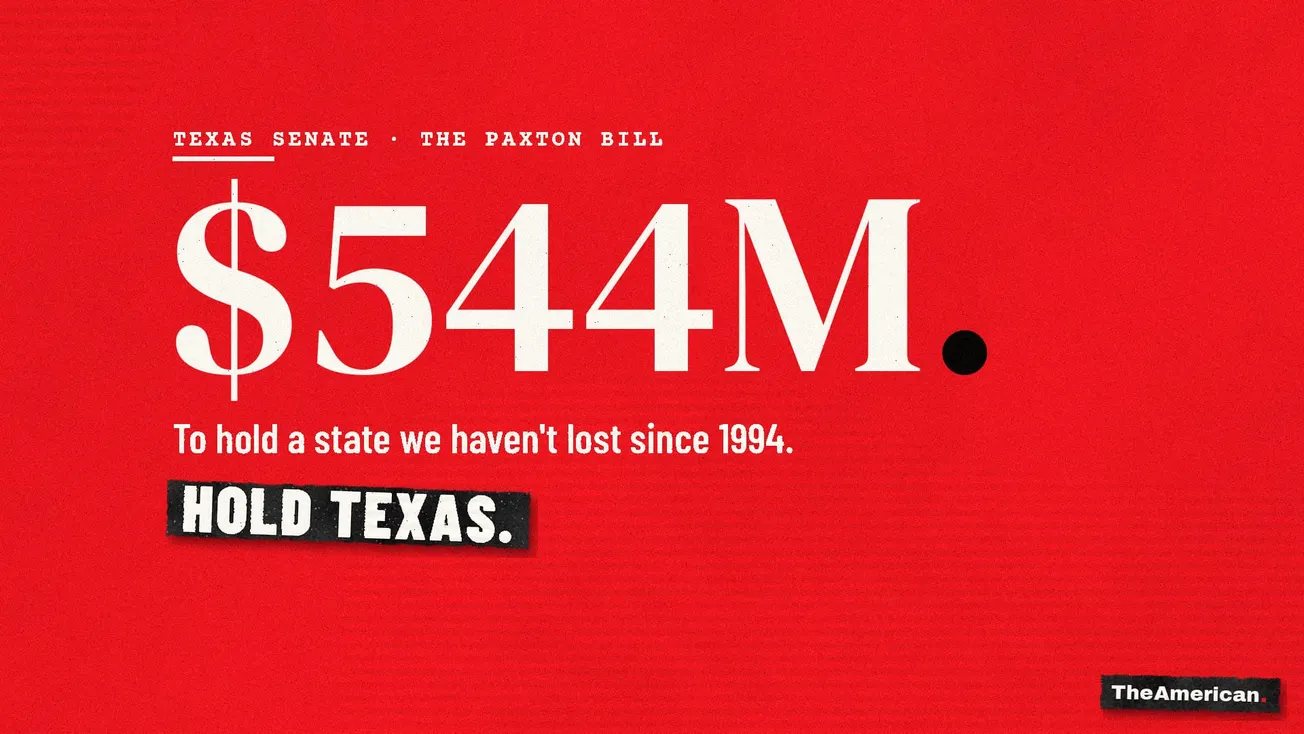
Here's the invoice. Counting the primaries, the Texas Senate race has now drawn $544.5 million in ad spending, the most expensive non-presidential race on record, according to AdImpact figures reported by CBS Texas. In the general election alone, Republicans have spent $274.1 million on ads for Paxton. Democrats have spent $133.4 million for James Talarico. And the RealClearPolitics average going into the final weekend read Talarico 48.8, Paxton 47.
Two-to-one on the money. Behind on the board.
That's the whole column, and it stands no matter what happens Tuesday night: our side was told what a Paxton nomination would cost, picked him anyway, left him dark all summer, then paid sticker price to rescue him in the fall, and the needle barely twitched. If he pulls it out, it will be the most expensive save in the history of a state where, per the Texas Tribune, Republicans have not lost a statewide race since 1994. If he doesn't, the receipts are already printed.
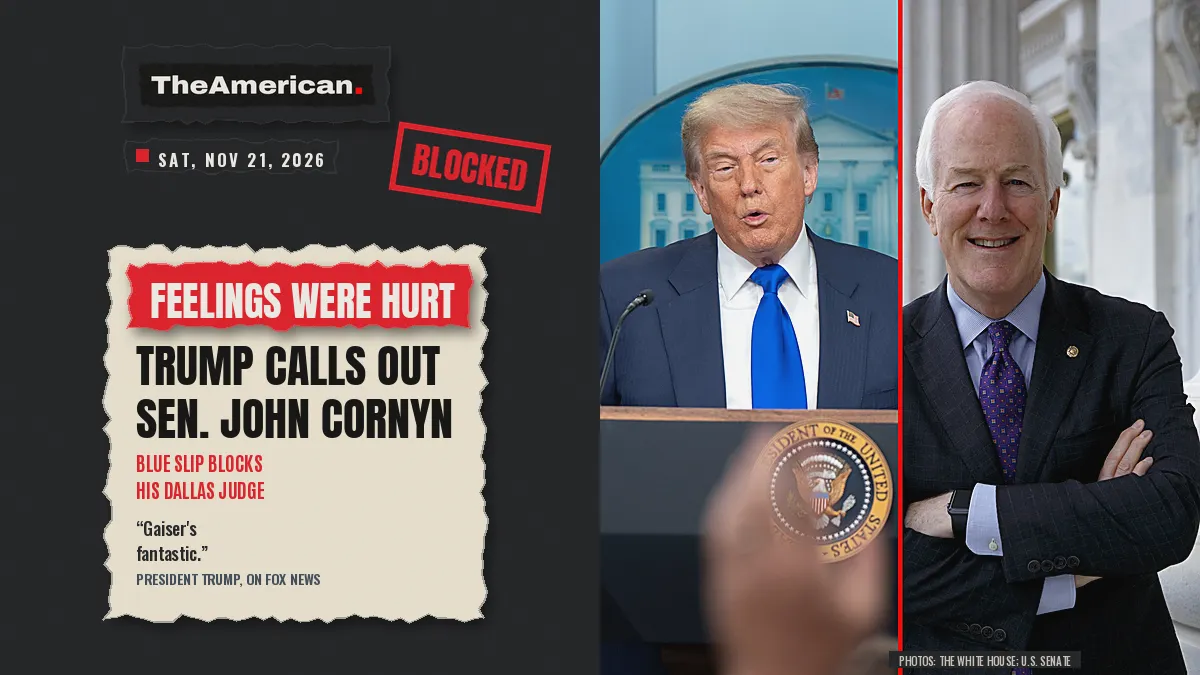
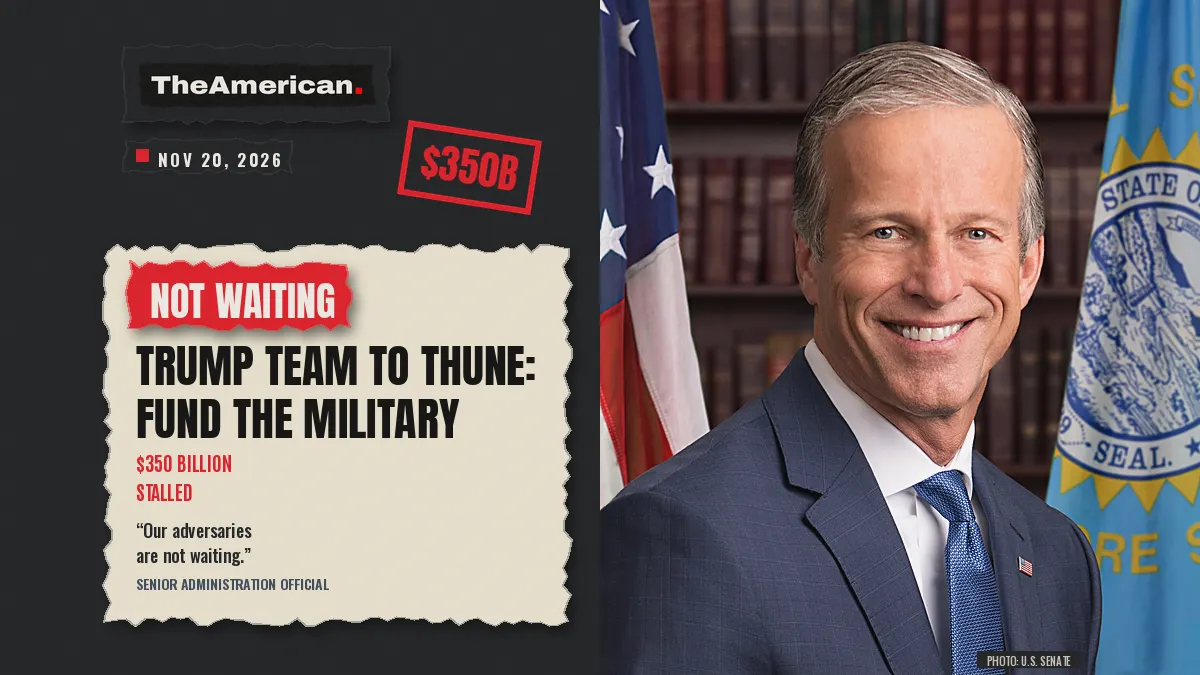
We were warned, in writing. During the primary, Senate Majority Leader John Thune and other Senate Republicans warned that a Paxton win over Cornyn would jeopardize the seat and require nine figures of campaign cash in a cycle full of Senate battlegrounds. The Tribune, looking at September's spending, called what followed "precisely the scenario Thune and other Senate Republicans feared." I'm not here to blame the voters. Trump endorsed Paxton in May and primary voters gave him the runoff by nearly 30 points, which is what primary voters are supposed to do, pick the guy they believe in. The people who get paid to plan for the morning after are a different story.
The empty summer. My uncle used to say you patch the roof in July, because in November you're paying a stranger triple to do it in the rain, and I thought about him a lot reading the Tribune's numbers. In the three months after Paxton locked up the nomination, Republicans bought less than $6 million in ads. Talarico, meanwhile, used his fundraising edge to get on the air early and define himself to voters all summer, faith and bipartisan bills and the price of groceries, and it was met with little answer on the airwaves. "If you look back to June, right after the runoff, there was not a lot of money on the Republican side to do that," Republican operative John Wittman told the Tribune. Then came November-in-September. Republicans dropped $122 million on Texas in that one month, and the Tribune's polling tracker moved from Talarico by 3 to Talarico by 2.
One point. A hundred and twenty-two million dollars.
Paying retail. There's a reason a dollar from a super PAC doesn't go as far as a dollar from a candidate, and it's not complicated, it's the law. Candidates get the lowest unit rate on broadcast time. Outside groups don't. So through the end of September, per AdImpact via the Tribune, Republicans accounted for 72% of broadcast ad spending in the race but just 54% of the actual airings, measured by gross ratings points. Paxton's own campaign accounted for just $1.2 million of GOP spending that September. Picture two men buying the same pickup on the same Saturday, one pays invoice and one pays sticker plus the undercoating, and the second guy is us, and we bought the most expensive one on the lot.
Whose money it was. The rescue ran through one wallet. Elon Musk gave the Senate Leadership Fund $158 million in two contributions, CNBC found in FEC filings, and SLF moved matching amounts to a group called Texas PAC the day after each check. By Oct. 29, Texas PAC had spent about $181.6 million in the race. Musk's role was not public until Oct. 12, more than a month after the spending began. I'm glad somebody showed up when the party didn't. I'd also like the party to be a party, the kind that raises its own money in June instead of waiting for one very rich man to notice in September.
The candidate didn't help himself. Paxton's numbers settled so far underwater that Cook Political Report found him the GOP's only battleground U.S. Senate nominee less popular than Trump in their own state. He passed on at least four debate invitations, making this the first U.S. Senate race in Texas since 2000 to go without one. Leaked audio from a Washington fundraiser caught him saying Cornyn "wants me to lose." When Talarico was out nine days with the flu, Paxton suggested it was actually a mental breakdown, conservative influencers ran with a story about an Ohio facility, and the facility confirmed Talarico had never been a patient there. None of that is a winning closing argument in a state that elects grown-ups. Ted Cruz, on his podcast Friday: "We could lose every single statewide race in Texas."
The tell is down the ballot. The final New York Times/Siena poll of Texas likely voters, taken Oct. 27 to Nov. 1, had Talarico at 50 and Paxton at 43, with 1,215 interviews and a margin of error of 3.4 points. Same poll, same voters, same ballot: Greg Abbott's race was within a point. Seven points of daylight between the top of the ticket and the governor's race, and no amount of airtime closed it. An online On Point Polling survey released Monday found Paxton's net rating, minus 19, the worst of anyone tested.
And then the Alamo. Paxton's "Come and Take It" bus tour was supposed to close at the Alamo Monday night. The Washington Post reported the campaign instead posted an event page putting him roughly 300 miles away, in Allen, and noted that the Alamo Trust's rules prohibit events that are "political in nature." Somebody could have read the rules in August. In Fort Worth on Saturday, Paxton told the crowd, "we lose Texas, we lose America."
I love Texas the way you love the strongest kid on the team, and I want our guy to win Tuesday, and I'll be up late hoping. But if he wins, somebody in a Washington office will call it a rescue and order a cake, and before anybody cuts it I'd like one question answered. What did the second hundred million buy?
The September answer was one point.